What to check before buying tickets to local arts events
Buying a ticket for a local show can feel simple: pick a date, choose a seat, pay, and turn up. A little checking beforehand makes the evening far easier. Local arts events vary widely, from a small gallery opening to a touring comedy night, and the details that matter are not always on the front of the poster.
The aim is not to overthink every booking. It is to match the event to the people going, the time available, and the kind of experience wanted. Before paying, slow down for a short pass through the practical details below.
Start with the event itself
The first check is whether the event really fits the audience. A theater performance with a long first half suits a different night from a late live music set. A film screening may be easy for a mixed-age group, while a comedy show may contain language or themes that are not right for everyone. Read the event description beyond the title, and look for notes on content, running time, and whether there is an interval.
Also check what kind of entry it is. Some events have assigned seats, some have standing areas, and some are free with registration. Knowing that difference before buying helps avoid surprises at the door. If the event is part of a festival, confirm whether one ticket covers a single performance or a wider session.
A map view can help with the early shortlist, especially when several dates and venues are in the same area. TownWild is built around discovering concerts, games, comedy, festivals, family activities, markets, arts and other local events on an interactive map, so location can be part of the first sweep rather than an afterthought.

Check the time before the price
The performance time deserves close attention. The start time on a listing is not always the time the audience is seated, and doors may open earlier or later. For live music, support acts can change the shape of the evening. For theater, a published finish time may be an estimate rather than a promise.
Work backwards from the start time. Allow for travel, parking or public transport, collection of tickets, and a short buffer for queues. If the venue is unfamiliar, add more time than seems necessary. Arriving ten minutes late to a gallery talk can mean missing the useful part. Arriving late to a performance can mean waiting in the aisle or being held outside until a pause.
Also think about what happens after the event. A late finish may affect the last train, a lift home, or a child's bedtime. A weekend matinee might suit a family better than an evening slot, even if the evening event looks more appealing on paper.
Read the venue details carefully
Venue capacity shapes the feel of an event. A packed room can make comedy feel electric and live music feel immediate, but it can also mean limited space, longer bars, and tighter sightlines. A smaller room may offer a better view from more seats, yet popular dates can still sell out quickly.
Check whether the venue is seated, standing, or mixed. If there is a choice of seats, look at the layout rather than the price alone. Side views can be cheaper but less comfortable for dance, stage movement, or screens. Front rows can feel close for a small performance and too close for a loud one. If seating is unreserved, arrive early enough to choose a spot that suits the group.
Access is another practical point. Look for step-free entry, lift access, accessible toilets, and guidance on mobility needs. If any member of the group has requirements, contact the venue before paying rather than assuming a historic building or small studio can accommodate them. The same applies to parking, nearby transport, and whether the entrance is obvious from the street.
Understand what the ticket includes
Ticket price is worth checking, but the headline amount is only part of the picture. Booking fees, transaction fees, and optional add-ons can change the final total. Some sellers show the full amount early, while others add charges near the end. Read the final cost before confirming payment.

Then look at conditions. Is the ticket valid for one entry, one performance, or a whole day? Does it include a programme, a drink, a workshop, or access to a reception? Are there restrictions on re-entry? For festivals, check whether the pass covers every stage or only selected events. For gallery events, check whether the ticket includes a guided view or simply entry.
Refund and exchange terms matter more than many buyers expect. Plans change, trains are cancelled, and weather can disrupt outdoor plans. A clear exchange policy can make a booking less risky. If the terms are unclear, look for a contact route and ask before paying. Keep a record of the purchase confirmation, especially if the ticket will be collected at the door.
Look for signals that plans may change
Some events are settled long in advance. Others have lineups, times, or formats that may shift. A festival schedule can change because of weather or artist availability. A film screening may depend on a print or a licence. A community arts event may move from an outdoor space to an indoor room if conditions turn poor.
Buying early can secure a place, but it can also mean accepting uncertainty. That trade-off is fine when the event is a priority and the terms are clear. If the schedule is likely to change, check where updates will appear and whether ticket holders will be told directly. Saved listings help, but an email or account notification is more reliable when plans depend on a late update.
On the day, check the venue or organiser channel once more before leaving. A changed door time or stage time may be posted there first. This is a small habit that prevents a lot of standing outside a closed door.
Match the event to the group
A ticket decision is rarely just about the event. It is also about who is coming. Ask whether everyone wants the same thing from the night. A lively standing gig may not suit someone who wants a quiet cultural evening. A children's activity may be ideal early in the day but tiring after dinner. A long play with a complex story may need more attention than a casual drop-in.
Food and drink can shape the plan too. Some venues have full service, some have a small bar, and some allow little beyond water. If a meal is part of the evening, check nearby options and opening times. For outdoor events, consider toilets, shelter, seating, and what happens if rain arrives. These details do not appear on every listing, yet they often decide whether the event feels relaxed or rushed.
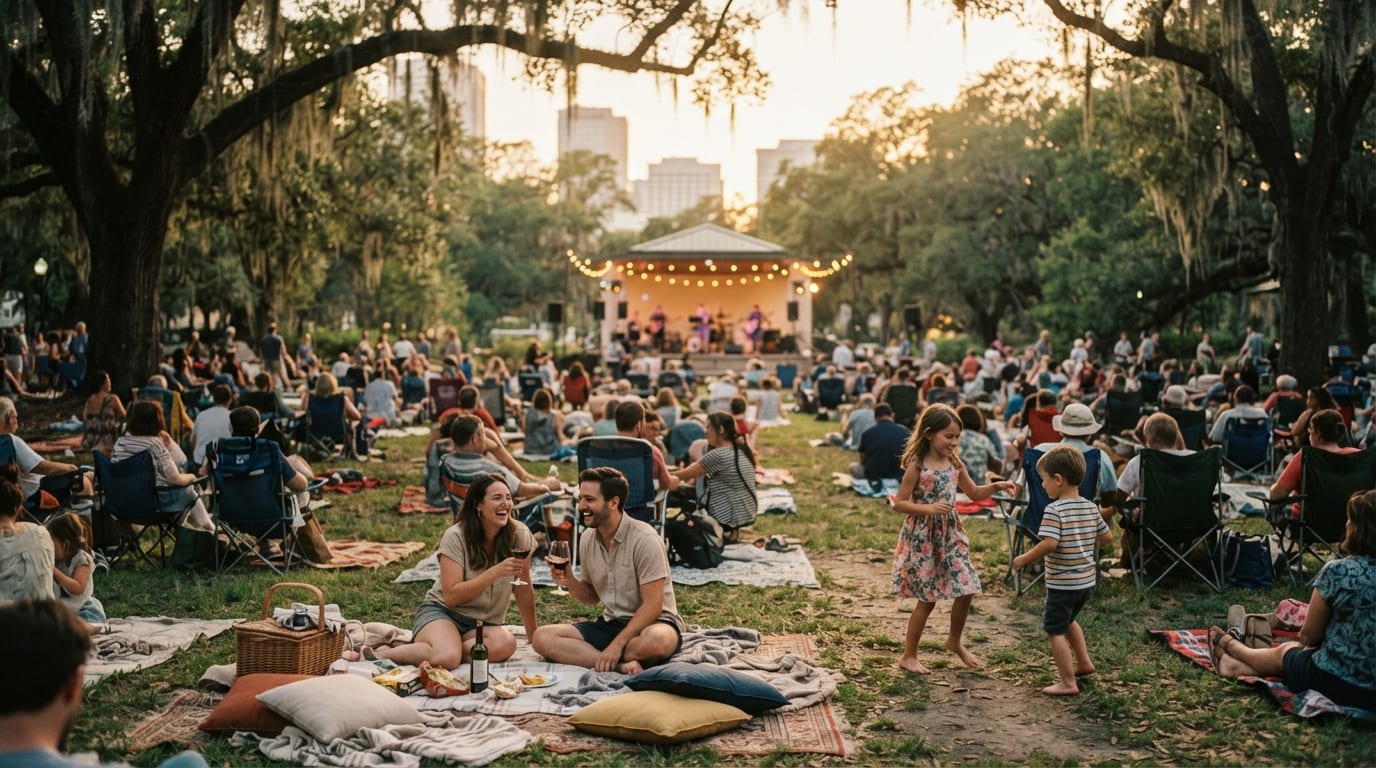
When an event is aimed at a particular age group, read the wording closely. Family friendly can mean dedicated activities, or it can mean that children are welcome but not especially catered for. The difference matters for planning.
A quick set of final checks
Once the event, time, venue, and ticket terms look right, a final pass can catch small mistakes before payment.
- Confirm the date, start time, and venue address, including the correct room or stage if there are several.
- Check the ticket type, seat area, entry rules, and final total before confirming the purchase.
- Review refund, exchange, and update policies, then keep the confirmation in a place that can be found later.
- Plan travel, arrival time, food, access needs, and the route home before the day arrives.
Local arts events are easiest to enjoy when the practical side is settled early. The best choice is not always the biggest name or the busiest date. It is the event that fits the people, the schedule, the venue, and the ticket terms. A few careful checks before buying turn a promising listing into a plan that feels calm from the start.